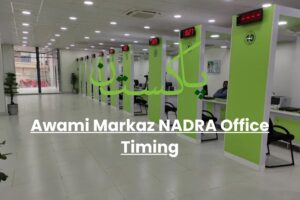
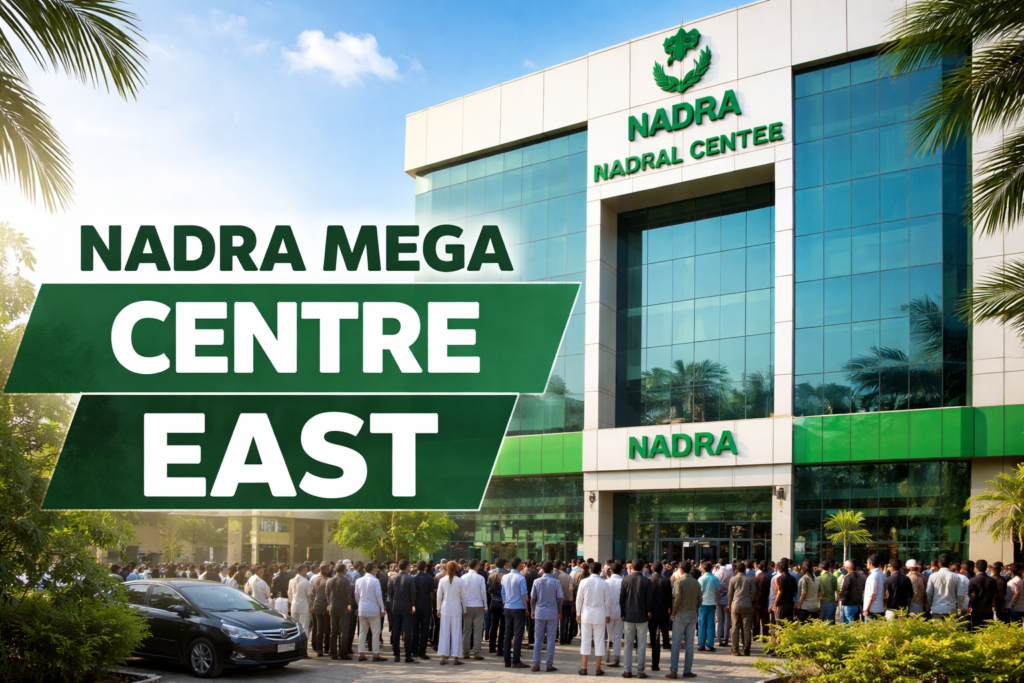
Overview of NADRA Mega Centre East
If you’ve ever dealt with identity documentation in Pakistan, you already know that NADRA Mega Centres are a lifeline. Among them, NADRA Mega Centre East stands out as one of the busiest and most frequently visited facilities. Whether you’re applying for a CNIC, renewing your Smart Card, or registering family data, this center is designed to handle a massive flow of applicants around the clock.
What makes this center particularly important is its high-capacity operations and extended working hours. Unlike smaller NADRA offices, this mega center caters to thousands of people daily, offering a more structured and efficient process—at least in theory. The idea is simple: reduce pressure on standard offices and provide citizens with access to services at almost any hour of the day.
Still, visiting the center isn’t always smooth sailing. From long queues to parking headaches, the experience can feel overwhelming if you’re not prepared. That’s why understanding how the system works beforehand can save you a lot of time and frustration.
This guide walks you through everything you need to know—from timings and fee payment methods to application categories and real-life visitor challenges. If you’re planning a visit soon, think of this as your practical roadmap rather than just another generic description.
What Makes It a “Mega Centre”?
The term “Mega Centre” isn’t just for show—it reflects the scale and capacity of the facility. Unlike standard NADRA offices, which often operate during limited hours and serve a smaller population, mega centres are built for high-volume processing. They are equipped with more counters, advanced systems, and extended shifts that keep operations running almost non-stop.
At NADRA Mega Centre East, the biggest advantage is continuous service availability. Imagine needing to apply for your CNIC after work hours or late at night—this center makes that possible. It’s especially useful for people with busy schedules who simply can’t afford to stand in long queues during typical office hours.
Another defining feature is the range of services offered under one roof. From new registrations to modifications and renewals, everything is centralized. You don’t have to run between multiple offices, which is a huge relief in a city where commuting itself can be exhausting.
But here’s the catch—being a mega center also means heavy foot traffic. While the infrastructure is designed to handle crowds, the sheer number of visitors can sometimes stretch the system to its limits. This is where planning your visit becomes crucial.
Location and Accessibility
NADRA Mega Centre East is strategically located to serve a large population segment, making it relatively accessible from different parts of the city. Public transport routes usually connect well to the area, and ride-hailing services frequently operate nearby, making it easier for those without personal vehicles.
However, accessibility comes with its own set of trade-offs. The location tends to attract a constant stream of visitors, which directly impacts traffic conditions around the center. During peak hours, the surrounding roads can get congested, adding extra time to your journey.
For those driving themselves, reaching the center isn’t the biggest problem—it’s finding a place to park that becomes the real challenge. The area wasn’t originally designed to handle such a high volume of vehicles, and as a result, parking spaces fill up quickly.
Despite these issues, the center remains one of the most convenient options simply because of its 24/6 availability and comprehensive services. If you plan your trip wisely—choosing the right time and mode of transport—you can significantly reduce the hassle.
NADRA Mega Centre East Timings Explained
One of the biggest reasons people prefer NADRA Mega Centre East is its unique operational schedule. Unlike regular government offices that close by evening, this center operates almost around the clock, giving it a massive advantage in terms of flexibility.
Understanding the timings properly can make or break your experience. Showing up at the wrong hour could mean dealing with overwhelming crowds, while choosing the right time can get your work done surprisingly quickly.
24/6 Operational Schedule
The center operates 24 hours a day, six days a week, which is a game-changer for many applicants. Whether you’re an early bird or someone who prefers late-night errands, the facility accommodates both.
This schedule is particularly beneficial for working professionals. Instead of taking time off during office hours, you can simply visit the center after your workday ends. Late-night visits, in fact, are often less crowded, making them an underrated option.
Another advantage is the continuous workflow. There’s no abrupt closing and reopening cycle that disrupts the process. Staff shifts are managed in a way that keeps operations running smoothly throughout the day and night.
Still, not all hours are equal. While the center is technically open 24/6, the crowd intensity varies significantly. Daytime hours, especially afternoons and evenings, tend to be the busiest. Late-night and early-morning slots are usually quieter, offering a more relaxed experience.
Why Sunday Is Closed
Despite its extensive schedule, the center remains closed on Sundays. This might seem surprising given its otherwise nonstop operations, but there are practical reasons behind it.
First, staff need time for rest and system maintenance. Running a facility continuously for six days straight already puts a significant strain on both human resources and technical infrastructure. A weekly closure allows for necessary upkeep and ensures the system remains efficient.
Second, Sunday closures help manage operational consistency. Without a designated break day, maintaining service quality would become increasingly difficult over time.
For visitors, this simply means planning ahead. If your schedule is tight, avoid leaving your visit for the weekend expecting Sunday availability—it won’t work. Instead, consider late Saturday night or early Monday morning as alternatives.
Services Offered at NADRA Mega Centre East
When you step into NADRA Mega Centre East, you’re not just visiting a single-purpose office—you’re entering a full-service identity management hub. The range of services available here is designed to cover nearly every official documentation need an average citizen might have. From first-time registrations to complex data modifications, everything is streamlined under one roof, which is both a blessing and, at times, a logistical challenge due to high demand.
The most commonly requested services revolve around identity cards, but that’s only scratching the surface. You’ll find facilities for family registration, child documentation, and even corrections or updates to existing records. The goal is simple: eliminate the need for multiple visits to different offices and centralize everything in one location.
One thing that stands out is how structured the workflow is. Upon arrival, visitors are guided through a step-by-step process—token issuance, biometric verification, data entry, and final confirmation. It sounds smooth on paper, and often it is, but during peak hours, each of these steps can involve waiting.
Another important aspect is that all services are categorized based on urgency levels, which directly impacts processing time and fees. This system allows visitors to choose between affordability and speed, depending on their needs. Whether you’re in a rush or planning ahead, there’s an option tailored for you.
Understanding these services before your visit can save you from confusion and unnecessary delays. Walking in without clarity often leads to longer wait times, repeated steps, or even incomplete applications. Think of preparation as your shortcut in a system that’s otherwise designed to handle thousands of people daily.
CNIC and Smart Card Services
At the heart of NADRA’s operations lies the issuance and management of CNICs (Computerized National Identity Cards) and Smart Cards. These are essential documents for every Pakistani citizen, required for everything from opening a bank account to voting and traveling domestically.
The Mega Centre East handles multiple CNIC-related services, including new applications, renewals, modifications, and replacements for lost or damaged cards. The process is fairly standardized: you provide your details, undergo biometric verification, and confirm your data before submission. While it may sound straightforward, the real variable is the waiting time, which depends heavily on crowd levels and the category you choose.
Smart Cards, which are more advanced versions of the traditional CNIC, come with enhanced security features and durability. Many applicants now prefer them despite the higher cost because they last longer and are less prone to damage. If you’ve ever had a CNIC wear out in your wallet, you’ll understand why this upgrade feels worth it.
One interesting detail is how digitized the system has become. Your fingerprints, photograph, and personal data are all stored securely, reducing the chances of fraud or duplication. However, this also means accuracy is critical—any mistake during data entry can lead to complications later.
Choosing between a standard CNIC and a Smart Card often comes down to budget and long-term convenience. If you’re someone who prefers fewer renewals and better durability, the Smart Card is usually the smarter choice.
B-Form and Family Registration Certificates
Beyond CNICs, NADRA Mega Centre East also provides services for B-Forms (Child Registration Certificates) and Family Registration Certificates (FRCs). These documents might not always be in the spotlight, but they play a crucial role in official and legal matters.
A B-Form is essential for children under 18, especially for school admissions, passport applications, and travel purposes. Parents often visit the center to register their children’s details, which are then linked to the family database. The process requires accurate parental information, making it important to bring all necessary documents.
On the other hand, the Family Registration Certificate provides a complete record of your family structure as registered with NADRA. This document is often required for visa applications, immigration processes, and legal verifications. It essentially acts as proof of family relationships, which can be incredibly important in official matters.
What makes these services convenient at a mega center is the integrated database system. Once your family data is in the system, retrieving or updating it becomes much easier. However, discrepancies in records can cause delays, so it’s always a good idea to double-check details during submission.
For many visitors, these services are just as critical as CNIC-related tasks. Ignoring their importance until the last minute often leads to rushed visits and unnecessary stress—something you can easily avoid with a bit of planning.
NADRA Fee Structure and Payment Method
One of the most important things to understand before visiting NADRA Mega Centre East is how the fee system works. Unlike older setups where cash payments were common, the process has evolved into a fully digital system. This change isn’t just about modernization—it’s about efficiency, transparency, and security.
The fees themselves vary depending on the type of service and the urgency category you select. Whether you’re applying for a CNIC, Smart Card, or any other document, the cost will differ based on how quickly you want it processed. This tiered structure gives applicants flexibility, but it also requires awareness so you don’t end up paying more than necessary.
What catches many first-time visitors off guard is the strict no-cash policy. If you walk in expecting to pay at the counter with physical money, you’re in for a surprise. All payments must be made online before or during your visit.
Understanding this system beforehand can save you from unnecessary frustration. Imagine waiting in line for hours only to realize you haven’t completed the payment step—that’s a situation you definitely want to avoid.
Online Payment System – No Cash Policy
NADRA Mega Centre East operates on a completely cashless payment system, which means every fee must be paid digitally. This can be done through online banking, mobile apps, or designated payment platforms supported by NADRA.
The idea behind this system is to reduce human error and eliminate issues like incorrect cash handling or fraud. Digital payments create a clear record, making the entire process more transparent and traceable.
For visitors, this means coming prepared. You’ll need access to a mobile banking app, debit/credit card, or any other supported digital payment method. Some people even complete their payment before arriving to save time, which is often the smartest approach.
That said, not everyone finds this system convenient. Those unfamiliar with digital payments may struggle initially, especially if they don’t have immediate access to online banking. However, once you get the hang of it, the process becomes much quicker and more reliable than traditional cash transactions.
Why Digital Payments Are Mandatory
The shift to digital payments isn’t just a random decision—it’s part of a broader move toward modernizing public services. By eliminating cash transactions, NADRA reduces the risk of corruption, speeds up processing times, and ensures a more organized workflow.
From an operational standpoint, digital payments also help manage large volumes of applicants more efficiently. Imagine thousands of people handling cash daily—it would slow down the system significantly. With online payments, transactions are verified instantly, allowing staff to focus on processing applications rather than managing money.
For users, the biggest advantage is convenience and accountability. You have a digital record of your payment, which can be useful in case of any disputes or issues. It also simplifies the process, as you don’t need to worry about carrying exact cash or dealing with change.
While it may take some getting used to, the system ultimately benefits both the organization and the public. It’s one of those changes that feels inconvenient at first but makes perfect sense once you experience its efficiency.
Categories of Application Processing
When you walk into NADRA Mega Centre East, one of the first decisions you’ll need to make is choosing the right application category. This isn’t just a formality—it directly affects how long you’ll wait for your document and how much you’ll pay. Think of it like booking a flight: economy, business, or first class. The destination is the same, but the experience and speed vary significantly.
NADRA offers three main categories: Normal, Urgent, and Executive. Each category is designed to meet different needs, whether you’re planning ahead or dealing with a last-minute situation. The system is fairly straightforward, but many people end up overpaying simply because they don’t fully understand their options.
What makes this system effective is its flexibility. You’re not forced into a one-size-fits-all process. Instead, you can choose based on your timeline and budget. However, during peak seasons—like before elections or travel periods—even urgent categories can experience delays due to overwhelming demand.
Another factor to consider is your purpose. If you need a document for something time-sensitive like a visa application, going for a faster category might save you from bigger problems later. On the other hand, if there’s no rush, sticking with the normal category can help you save money.
Understanding these categories in detail ensures you make an informed decision instead of reacting under pressure at the counter. Let’s break them down one by one so you know exactly what to expect.
Normal Category
The Normal category is the most basic and budget-friendly option available at NADRA Mega Centre East. It’s designed for people who aren’t in a hurry and can afford to wait a bit longer for their documents. If your timeline is flexible, this option makes the most financial sense.
Processing times in the normal category are significantly longer compared to the other options. Depending on the type of application and workload at the center, it can take several weeks for your CNIC or other documents to be delivered. While that might sound like a downside, it’s perfectly acceptable for routine updates or renewals that don’t have strict deadlines.
One thing to keep in mind is that even though the processing time is longer, the in-center experience isn’t necessarily faster. You’ll still go through the same queues and procedures as everyone else. The difference lies mainly in how quickly your application is processed after submission.
Many people choose this category simply because it’s affordable. However, it’s important to plan ahead. Waiting until the last minute and then choosing the normal category can lead to unnecessary stress, especially if you suddenly need the document urgently.
If you’re someone who likes to stay ahead of deadlines, this option works perfectly. It’s like ordering something online with standard shipping—you save money but need a bit of patience.
Urgent Category
The Urgent category strikes a balance between cost and speed. It’s ideal for people who need their documents faster than the normal processing time but don’t want to pay the premium price of the executive option.
In this category, your application is prioritized, which significantly reduces the waiting period. Instead of waiting weeks, you might receive your document within a much shorter timeframe. This makes it a popular choice for individuals dealing with moderate time constraints, such as upcoming travel plans or job requirements.
What makes the urgent category appealing is its practicality. It’s not as expensive as the executive option, yet it offers a noticeable improvement in processing speed. For many applicants, this middle-ground approach feels like the most sensible choice.
However, it’s worth noting that “urgent” doesn’t always mean instant. During busy periods, even urgent applications can face slight delays. The system prioritizes them, but it’s still subject to overall workload and operational capacity.
If you’re unsure which category to choose, this is often the safest bet. It gives you peace of mind without putting too much strain on your wallet. Think of it as paying for express shipping—you get your package sooner, but without the premium cost of overnight delivery.
Executive Category
The Executive category is the fastest and most premium option available at NADRA Mega Centre East. It’s designed for those who need their documents as quickly as possible and are willing to pay a higher fee for that convenience.
This category offers top priority processing, meaning your application moves ahead of others in the queue. The turnaround time is significantly shorter, making it the best choice for urgent situations like last-minute travel, legal requirements, or emergency documentation needs.
What sets the executive category apart isn’t just speed—it’s also the overall experience. In many cases, the process feels smoother and more streamlined, as the system is designed to minimize delays for premium applicants. While you’ll still go through the standard steps, the prioritization makes a noticeable difference.
Of course, this convenience comes at a cost. The executive category is the most expensive option, which can be a deciding factor for many people. But when time is critical, the extra expense often feels justified.
Choosing this category is like booking a last-minute flight upgrade—it’s not cheap, but it gets you where you need to be without the usual waiting. If time is your biggest concern, this is the option that delivers results.
Parking Situation at NADRA Mega Centre East
Let’s talk about something that almost everyone complains about—the parking situation at NADRA Mega Centre East. While the center excels in many areas, parking is undeniably one of its weakest points. If you’re planning to drive there, this is something you need to prepare for mentally.
The issue isn’t just a lack of space; it’s the sheer number of visitors arriving throughout the day. A facility that operates 24 hours a day for six days a week naturally attracts a constant flow of vehicles, and the surrounding infrastructure simply isn’t built to handle that volume efficiently.
For many visitors, finding parking becomes more stressful than the actual NADRA process. You might end up circling the area multiple times or parking far away and walking back to the center. During peak hours, this can easily add 20–30 minutes—or more—to your visit.
Understanding this challenge ahead of time can help you plan better. Whether it’s choosing a different mode of transport or timing your visit strategically, a little foresight goes a long way.
Why Parking Is a Major Issue
The parking problem at NADRA Mega Centre East stems from a combination of factors. First, the center’s popularity means a high volume of daily visitors, many of whom prefer using their own vehicles. Second, the surrounding area doesn’t have enough designated parking spaces to accommodate this demand.
Another contributing factor is poor traffic flow around the center. Vehicles entering and exiting frequently create congestion, which makes finding and securing a parking spot even more difficult. It’s a classic case of demand far exceeding supply.
The situation becomes even worse during peak hours, such as evenings and weekends (excluding Sunday). At these times, the area can feel chaotic, with drivers competing for limited spaces. It’s not uncommon to see people waiting for someone else to leave just to grab a spot.
This issue isn’t unique to this center—it’s a common challenge in many high-traffic public facilities. However, given the scale of NADRA Mega Centre East, the impact feels more intense.
Tips to Manage Parking Problems
Dealing with parking at NADRA Mega Centre East requires a bit of strategy. While you can’t eliminate the problem entirely, you can definitely minimize its impact with some smart planning.
Here are a few practical tips:
- Visit during off-peak hours, such as late night or early morning, when fewer people are around
- Consider using ride-hailing services instead of driving yourself
- If you must drive, arrive earlier than planned to allow extra time for parking
- Look for nearby alternative parking areas and be prepared to walk a short distance
These small adjustments can make a big difference in your overall experience. Instead of starting your visit with frustration, you’ll walk in feeling more prepared and less stressed.
At the end of the day, parking is just one part of the journey. With the right approach, it doesn’t have to ruin your visit.
Visitor Experience and Crowd Management
Walking into NADRA Mega Centre East can feel a bit like entering a busy airport terminal—there’s constant movement, people from all walks of life, and a system trying to keep everything organized. The visitor experience largely depends on when you arrive and how well you understand the flow of the process.
The center is designed to handle large crowds, but let’s be honest—when thousands of people show up daily, things can get overwhelming. Still, compared to smaller NADRA offices, the mega center does a better job of maintaining structure through token systems and designated service counters.
Crowd management here isn’t perfect, but it’s functional. If you go in expecting a quick in-and-out visit during peak hours, you might be disappointed. On the flip side, choosing the right time can make the experience surprisingly smooth.
Peak Hours vs Off-Peak Hours
Timing is everything when visiting NADRA Mega Centre East. Peak hours typically include afternoons and evenings, when most people are free from work or school. During these times, the center is at its busiest, and waiting times can increase significantly.
On the other hand, off-peak hours—especially late रात (night) and early morning—offer a much calmer environment. Fewer people mean shorter queues, quicker processing, and a generally less stressful experience.
If you have the flexibility, visiting during off-peak hours is one of the smartest decisions you can make. It’s the difference between standing in line for hours and getting your work done efficiently.
Waiting Time Expectations
Waiting times at NADRA Mega Centre East can vary widely depending on several factors: the time of your visit, the category you choose, and the type of service you need. On a busy day, you might spend a couple of hours just moving through the process.
However, during quieter hours, the same process can be completed much faster. The token system helps maintain order, but it doesn’t eliminate waiting altogether.
The key is to set realistic expectations. Bring some patience, maybe even something to keep yourself occupied, and treat the visit as a process rather than a quick errand.
Tips for a Smooth Visit
Visiting NADRA Mega Centre East doesn’t have to feel like a test of patience if you approach it with the right strategy. Most of the frustration people experience comes from lack of preparation rather than the system itself. When you understand how things work—timings, payments, categories, and even parking—you can turn what might be a stressful trip into a relatively manageable task.
Think of it like planning a trip to a busy airport. You wouldn’t show up without your ticket, documents, or enough time, right? The same logic applies here. A little preparation can save you hours of waiting, confusion, and unnecessary back-and-forth.
One of the smartest things you can do is align your visit with off-peak hours. Since the center operates 24/6, you have the flexibility to choose a time that works best for you rather than squeezing your visit into the busiest part of the day. Pair that with completing your online fee payment in advance, and you’re already ahead of a large number of visitors who come unprepared.
Another overlooked tip is mental readiness. Expect some waiting, even on a good day. When you go in with realistic expectations, the experience feels far less frustrating. Bring your phone, maybe a podcast or something to pass the time—it makes a difference.
Ultimately, the goal is simple: minimize surprises. The fewer unexpected issues you encounter, the smoother your visit will be. And in a place as busy as NADRA Mega Centre East, that’s half the battle won.
Best Time to Visit
Choosing the right time to visit NADRA Mega Centre East can completely change your experience. While the center is open 24 hours a day for six days a week, not all hours are created equal. Some time slots feel like rush hour at a train station, while others are surprisingly calm.
If you want the smoothest experience possible, aim for late-night or early-morning hours. These are typically the quietest periods, as most people prefer visiting during the day. Walking into a less crowded center means shorter queues, faster processing, and a much more relaxed atmosphere overall.
Afternoons and evenings, on the other hand, are usually packed. This is when working professionals, students, and families all converge at the same time. If you visit during these hours, be prepared for longer waiting times and a busier environment.
Another factor to consider is the day of the week. Since the center is closed on Sundays, Saturdays can get particularly crowded as people try to wrap up their tasks before the weekly break. Planning your visit earlier in the week can help you avoid this surge.
If you’re driving, timing becomes even more important because of the parking situation. Visiting during off-peak hours not only helps you inside the center but also makes it easier to find a parking spot outside.
In simple terms, if you have flexibility, go when others aren’t. It’s the easiest way to turn a potentially exhausting visit into a quick and efficient one.
Documents Checklist Before You Go
Walking into NADRA Mega Centre East without the right documents is like showing up to an exam unprepared—you’ll likely have to come back and start all over again. Given the time and effort involved in visiting the center, that’s a mistake you definitely want to avoid.
The exact documents you’ll need depend on the service you’re applying for, but there are some common essentials you should always have with you. These typically include your existing CNIC (if applicable), supporting documents for any changes or updates, and proof of family relationships when required.
For services like B-Form or Family Registration Certificate, additional documents such as parents’ CNIC copies or birth certificates may be necessary. It’s always a good idea to double-check requirements beforehand rather than relying on guesswork.
Another important detail is ensuring your documents are original and valid. Photocopies alone are usually not sufficient, and expired documents can create complications. Carrying both originals and copies can save you from unnecessary delays.
Don’t forget about the digital side of things as well. Since payments are made online, make sure you have access to your mobile banking app or any other payment method you plan to use. A fully charged phone is more important than you might think in this scenario.
Preparation might feel like extra effort, but it pays off instantly. Instead of dealing with interruptions or repeated visits, you’ll move through the process with confidence and efficiency. And in a place as busy as NADRA Mega Centre East, that’s exactly what you need.
Conclusion
NADRA Mega Centre East is, without a doubt, one of the most efficient yet challenging places to visit when it comes to handling official documentation. Its 24/6 operational schedule, wide range of services, and structured processing system make it a reliable option for thousands of people every day. At the same time, factors like heavy crowds, strict digital payment policies, and poor parking conditions can turn a simple visit into a stressful experience if you’re not prepared.
What really defines your experience here isn’t just the facility itself—it’s how well you plan your visit. Choosing the right application category can save you days or even weeks, while picking the right time can save you hours of waiting. Understanding that no cash is accepted and preparing for online payments ahead of time can prevent unnecessary delays at the counter.
Then there’s the parking situation, which, let’s be honest, is one of the biggest pain points. But even that becomes manageable if you adjust your timing or consider alternative transport options.
In many ways, visiting NADRA Mega Centre East is a balancing act. You trade convenience for crowds, flexibility for planning, and speed for cost. Once you understand these trade-offs, the entire process starts to make a lot more sense.
Approach it with a clear plan, realistic expectations, and a bit of patience, and you’ll find that it’s not nearly as overwhelming as it first seems. Ignore these factors, and even a simple task can feel unnecessarily complicated.
FAQs
1. What are the timings of NADRA Mega Centre East?
NADRA Mega Centre East operates 24 hours a day, six days a week, making it one of the most accessible NADRA facilities. However, it remains closed on Sundays, so plan your visit accordingly.
2. Can I pay NADRA fees in cash at the center?
No, cash payments are not accepted at NADRA Mega Centre East. All fees must be paid through online or digital payment methods, such as mobile banking or cards.
3. What are the application categories available?
There are three categories: Normal, Urgent, and Executive. Each offers different processing times and fee structures, allowing you to choose based on your urgency and budget.
4. Is parking available at NADRA Mega Centre East?
Parking is available but very limited and often problematic. It’s recommended to visit during off-peak hours or use ride-hailing services to avoid parking issues.
5. What is the best time to visit NADRA Mega Centre East?
The best time to visit is during late-night or early-morning hours, as these are typically less crowded and offer a smoother experience.